
Listen & Subscribe

Listen & Subscribe


Listen & Subscribe
Subscribe, Review, Listen:


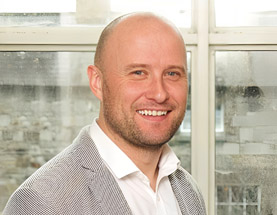
How do breakthroughs in the lab become real-world treatments that save lives? In this episode, Professor Stephen Maher of Trinity College Dublin joins us to discuss the rapidly evolving field of translational oncology and how cutting-edge research is shaping the future of cancer therapy.
As a leading expert in radiation research and Director of Postgraduate Studies for the School of Medicine at Trinity, Stephen focuses on a critical question: why do some cancers respond to treatment while others resist it? His work examines the role of microRNAs, tumor hypoxia, and DNA damage response in shaping how cancers react to chemotherapy and radiotherapy — with particular attention to oesophageal and pancreatic cancers.
In this episode, we explore:
After earning his Ph.D. in Oncology at RCSI and completing a fellowship at the National Cancer Institute in Maryland, Professor Maher has dedicated his career to bridging the gap between scientific discovery and clinical impact. He leads major national and international collaborations and has helped build advanced radiotherapy and hypoxia research programs at Trinity’s Translational Medicine Institute.
Learn more about Professor Maher and his work here.
Episode also available on Apple Podcasts: https://apple.co/38oMlMr
🛍️ Recommended Products & Reads from This Episode:
Note: These are affiliate links. If you make a purchase through them, we may earn a small commission at no extra cost to you. It helps support the podcast. Thank you!
Podcast: Play in new window | Download | Embed
Subscribe, Review, Listen:


Follow Us


Copyright © 2026 The Good Question Podcast. All rights reserved.